2,380৳
22,650৳

11,890৳
14,190৳
| Top Network Switch Price list in BD | Price in Bangladesh |
|---|---|
| TP-Link Deco X10 AX1500 Dual-Band Mesh WiFi 6 Router (2-Pack) | 11,890৳ |
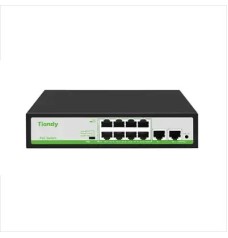
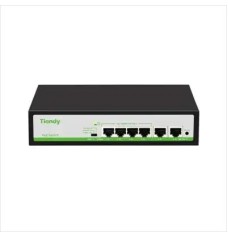
| Tiandy TC-P3S06 4CH PoE Switch with Uplink Ports | 2,500৳ |
| Tiandy TC-P3S010 Giga PoE Switch with Giga Uplink Ports | 6,200৳ |
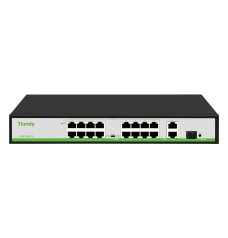
| Tiandy TC-P3S019 16CH PoE Switch with Uplink Giga & SFP Ports | 12,000৳ |
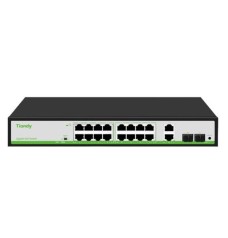
| Tiandy TC-P3S020 Network PoE Switch with Giga Uplink & SFP Ports | 14,000৳ |
| DAHUA DH-SF4026P-CD 24-port 100 Mbps + 2-port Gigabit Managed PoE Switch | 40,000৳ |
| DAHUA DH-SF4018P-C 16-port 100 Mbps + 2-port Gigabit Managed PoE Switch | 30,000৳ |
| Hikvision DS-3E0106MP-E/M 4 Port Unmanaged PoE Switch | 2,380৳ |
The rapid growth of digital infrastructure in Bangladesh has made reliable networking equipment a necessity for businesses, institutions, and security systems. Among all networking devices, the network switch plays a central role in connecting computers, IP cameras, servers, and other smart devices within a local network. If you are researching the Network Switch Price in Bangladesh, understanding how pricing relates to performance, scalability, and real-world usage is essential before making a purchase decision.
Network switches are widely used in offices, factories, retail environments, educational institutions, and CCTV surveillance setups. As bandwidth demands increase and PoE-based devices become common, choosing the right switch directly impacts network stability, security, and long-term operational efficiency.
A network switch is a hardware device that connects multiple devices within a Local Area Network (LAN) and intelligently forwards data only to the intended destination. Unlike hubs, switches reduce network congestion, improve data speed, and enhance overall performance. In modern setups, switches also play a vital role in powering and managing PoE devices such as IP cameras, wireless access points, and VoIP phones.
For surveillance and security infrastructure, switches act as the backbone that connects cameras to recording systems like NVRs, ensuring uninterrupted video transmission and centralized monitoring. Without a properly selected switch, even high-quality cameras or servers cannot perform at their full potential.
The network switch price in Bangladesh varies depending on port count, data speed, PoE support, and management features. Entry-level unmanaged switches suitable for small offices or homes are generally affordable, while enterprise-grade managed switches with advanced features cost significantly more.
As a general market overview, basic 5–8 port unmanaged switches are available at lower price points, making them ideal for simple connectivity needs. Mid-range switches with 16 or more ports support growing networks, while PoE switches are priced higher due to their ability to transmit both data and power over a single Ethernet cable. Managed network switches sit at the higher end of the price range because they provide VLAN control, traffic monitoring, QoS, and enhanced security configurations.
Pricing also depends on hardware reliability, internal chipset quality, PoE power budget, and long-term firmware support.
Unmanaged network switches are plug-and-play devices designed for simplicity. They are commonly used in small offices, retail shops, or home networks where advanced control is unnecessary. These switches focus on basic connectivity and are cost-effective for limited use cases.
Managed network switches are preferred in enterprise environments where network segmentation, bandwidth control, and security policies are required. They allow administrators to monitor traffic, configure VLANs, and optimize performance across large networks.
PoE network switches are especially important for CCTV and access control systems. By delivering power and data through a single cable, PoE switches simplify installation and reduce infrastructure costs. They are widely used with CC cameras and IP cameras in commercial and industrial projects.
Brand reliability is a critical factor when choosing a network switch. In Bangladesh, surveillance-focused network switches are commonly selected due to their compatibility with CCTV ecosystems. Popular options include Dahua network switches, Hikvision network switches, and Tiandy network switches.
These brands are widely used in security installations because they are optimized for continuous data transmission, PoE stability, and long-term operation in demanding environments.
A poorly chosen network switch can become a bottleneck for data flow, causing slow performance, packet loss, or device disconnections. Gigabit switches significantly improve speed and are now considered standard for offices using cloud software, shared storage, or high-resolution video streaming.
In environments where POS systems, inventory software, or surveillance feeds operate simultaneously, a reliable switch ensures consistent performance. This is especially important when switches connect devices such as workstations, servers, and business tools running on laptops and professional gadgets.
Selecting the right network switch requires evaluating both current and future network needs. Port availability should allow room for expansion, especially in growing businesses. If IP cameras or access points are involved, PoE power capacity must be sufficient to support all connected devices without overload.
For small networks, unmanaged switches may be enough. However, for surveillance systems, multi-floor offices, or data-heavy operations, managed or PoE switches offer better long-term value by improving control, security, and scalability.
Prices typically start from around ৳1,500 for basic switches and can exceed ৳40,000 for enterprise-grade managed or PoE switches.
PoE switches are highly recommended for IP camera systems because they simplify installation and ensure stable power delivery.
PoE network switches with sufficient power budget and gigabit support are best suited for CCTV and surveillance systems.
To explore compatible networking and surveillance solutions, visit Touch IT and browse related categories designed for professional IT and security infrastructure.